The NSW Endometriosis and Pelvic Pain Study (NEPPS) takes a multidisciplinary approach to understanding the complex underlying causes, progression, and impact of pelvic pain and endometriosis.


About NEPPS
NEPPS is designed to improve the diagnosis and treatment of endometriosis by understanding the underlying causes, its evolution as women age and the way its presentation and biology changes in response to different treatments.
Importantly, NEPPS is also designed to improve options for women experiencing pelvic pain without a diagnosis of endometriosis, by identifying alternative explanations for their pelvic pain.
Unlike other studies, NEPPS also seeks to identify the unmet healthcare needs of women with endometriosis and pelvic pain and assess the efficacy of new initiatives in meeting those needs.
This whole person approach involves the collection of self-reported survey data and biological samples, and linkage with administrative health datasets (e.g. hospital records). This will build a community of women with diagnosed and undiagnosed endometriosis, known as the NEPPS Cohort.
Study Aims
By collecting participants’ survey, biological, and health services data, NEPPS aims to:
- Identify current service deficiencies and access barriers;
- Assess the impact of new health service initiatives on time to diagnosis and treatment, patient costs, and accessibility of healthcare;
- Identify health and wellbeing outcomes of care models, including examination of physical health, mental health, and fertility over time;
- Establish a longitudinal biobank to support ongoing research;
- Identify changes in endometriosis and pelvic pain presentation and biology as women age and the efficacy of different treatment models;
- Identify key therapeutic targets to be tested in patient-derived organoid models;
- Identify novel biomarkers to develop a non-invasive diagnostic test; and
- Improve understanding of the relationships between the biological, physiological, psychological, social and economic aspects of endometriosis and pelvic pain.

NEPPS Project Team

Professor Deb Loxton, NEPPS Chief Investigator
Professor Deb Loxton is the Director of the Centre for Women’s Health Research at the University of Newcastle, and Director of the Australian Longitudinal Study on
Women’s Health. Women’s health over the life span has been at the centre of Prof Loxton’s research for over two decades and remains her primary research interest. Her main areas of expertise are the impact of violence over the life course, maternal morbidity and mortality, and longitudinal research methods. Impact on policy is the primary method of research translation undertaken by Prof Loxton, including authoring policy submissions, briefs, and government reports and presenting findings to government departments. Her research has influenced the National Women’s Health Strategy 2020-30, government responses to COVID-19, the National Plans to End Violence Against Women, and mental health policies.

Professor Kirsty Pringle, NEPPS Chief Investigator
Professor Kirsty Pringle is a women’s health and reproductive biology researcher and teaching academic at the University of Newcastle and affiliated with the Reproductive and Family Health Research Program.
Professor Pringle leads the Placental Biology and Pregnancy Research Group at the Hunter Medical Research Institute and is also the Director of the Gomeroi Gaaynggal Indigenous Longitudinal study. Professor Pringle completed her PhD in Obstetrics and Gynaecology at the University of Adelaide and has extensive experience in pregnancy and women’s health research. Her work is focused on improving our understanding of women’s reproductive health to better identify, prevent, and treat these conditions. Professor Pringle is passionate about improving health outcomes for women, with a strong background working alongside Australian Aboriginal communities and research consumers to ensure research is meaningful, culturally appropriate, and responsive to community priorities.

Natalie Townsend, Research Executive Manager
Natalie Townsend is the Research Executive Manager of the Centre for Women’s Health Research, and a researcher on the NEPPS project. Natalie provides strategic leadership and oversight of the study, guiding its design, implementation, and delivery.
Natalie’s role includes leading the coproduction approach with stakeholders, contributing to key methodological and governance decisions, and overseeing study progress and milestones. Natalie works closely with the research team to ensure the study aligns with clinical, policy, and community priorities, and supports the translation of findings into practice.

Dr Saije Endacott
Dr Saije Endacott is a reproductive biology and women’s health researcher at the University of Newcastle, affiliated with the Reproductive and Family Health Research Program at the Hunter Medical Research Institute.
Dr Endacott was awarded her PhD in Medical Biochemistry in February 2021 and has a background in laboratory-based biomedical research and extensive experience in community and consumer engagement, particularly working alongside First Nations communities. Dr Endacott is passionate about improving our understanding of women’s health conditions and ensuring that research questions are both scientifically rigorous and shaped by the needs and priorities of the people most affected.

Isabelle Barnes, NEPPS Research Coordinator
Isabelle Barnes is the NEPPS Research Coordinator. She is responsible for the day-to-day management of research activities and completion of project milestones. Her role includes overseeing project timelines and deliverables, supervising and training project support staff, developing study materials and contributing to the overall study design, methods, and implementation.
Isabelle works closely with investigators, collaborators, and stakeholders to support the coproduction study design and implementation, and to ensure compliance with key regulatory and institutional processes, including ethics.
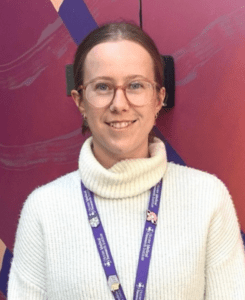
India Brooker, PhD Candidate
India Brooker is a women’s health researcher and final-year PhD candidate at the University of Newcastle and affiliated with the Reproductive and Family Health Research Program at the Hunter Medical Research Institute.
India’s research focuses on improving our understanding of women’s reproductive health, with a particular interest in the biological mechanisms that underpin women’s reproductive health issues. India has a strong background in laboratory-based biomedical research, with expertise in investigating the molecular drivers of conditions affecting women’s health. India is passionate about advancing research that improves diagnosis, treatment, and outcomes for people affected by women’s health conditions and is committed to contributing to research that is meaningful to the communities it serves.

Kacey Johnston, NEPPS Administration Manager
Kacey Johnston is an Executive Administrator for the Centre for Women’s Health Research and the Administration Manager for the NEPPS.
In this role, Kacey works closely with the NEPPS Research team and Chief Investigators to manage the day-to-day administrative aspects of the study. This includes managing the budget, establishing governance procedures and protocols and providing meeting support to the project team, study Advisory Group and stakeholders as required.

Kanchana Dassanayake, PhD Candidate
Kanchana Dassanayake is a women’s health researcher and a PhD candidate at the University of Newcastle and is affiliated with the Reproductive and Family Health Research Program at the Hunter Medical Research Institute.
His research focuses on the biological processes underlying women’s reproductive health, with a particular interest in endometrial biology, endometriosis, and the cellular and molecular mechanisms driving reproductive and inflammatory disorders. He brings strong expertise in laboratory-based research, encompassing 3D cell culture, molecular biology, and immunological and microscopy techniques to investigate cellular interactions, inflammation, and disease progression. Kanchana is passionate about advancing research that improves the understanding, diagnosis, and treatment of women’s health conditions — work that is both clinically impactful and meaningful to the broader community.
Contact the NEPPS team
- NEPPS@newcastle.edu.au
- +61 2 4921 5965